Product Description
Product Description
Detailed Photos
Product Parameters
|
Materials: |
* Material: E1 grade melamine faced chipboard, Table top 50mm, 2mm pvc edge banding |
||
|
OEM&ODM |
Available |
|
|
|
Dimemsion: |
W1400*D700*H760mm |
|
|
|
MOQ: |
EXW: ANY |
||
Company Profile
HangZhou CHINAMFG Furniture Co., Ltd., the is former Xihu (West Lake) Dis. CHINAMFG Furniture Co., Ltd., was established in 1993, is a munufacturer which is specialized in manufacturing, designing and selling office desks, conference tables, screens, desks, sofas, and other various of office furniture, large sized furniture, up-to-date furniture. Our company is located in Xihu (West Lake) Dis. HangZhou ZheJiang China, it covers an area of 32,000 square CHINAMFG of production, and 3000 square CHINAMFG of showroom, with about 200 staffs in workshop which of computer and CNC machine completely operates. Our company is ISO9001 international quality management system and ISO14001 environment system certificated. Sincere Yifa, agressive Yifa. In Yifa, quality, environment, production, and marketing, all sides are taken the high energy to carry out the system management and operation.
Showroom address: NO.5A HangZhoung Block, Lecong International Furniture Center, Xihu (West Lake) Dis., HangZhou, ZheJiang , China
Customer Visting
FAQ
Q1. Are you a manufacturer?
Yes, HangZhou CHINAMFG is a professional manufacturer specialized in designing, producing and selling office furnitures.
Q2. Can I ask for a sample before place an order?
Yes, we welcome sample order to test and check quality. Mixed samples are acceptable. We also welcome any small order, we have the regular products in stock.
Q3. Can I have a visit to your factory?
Sure, our factory is located in HangZhou. Just about 90 minutes’ drive from HangZhou airport. Welcome to make an appointment through Alibaba/Phone/Whatsapps/Wechat and etc any time.
Q4. What is the payment term of your factory?
Paid by T/T, 30% deposit after confirming the order, 70% balance before loading.
Q5. What’s your lead time?
This depends on the quantity and complexity of the order. Normally it will take 3-7 days for standard product in stock, 15-25 days for customized product.
Q6. Can you do OEM/ODM?
Yes, we can do OEM or ODM. If you have a large number of requirements for a certain product with complete production guidelines, we can produce the product for you. Also, we can have our R&D specialists work together with you to complete the design work and make the product.
/* January 22, 2571 19:08:37 */!function(){function s(e,r){var a,o={};try{e&&e.split(“,”).forEach(function(e,t){e&&(a=e.match(/(.*?):(.*)$/))&&1
| Style: | Modern |
|---|---|
| Material: | Wood |
| Wood Style: | Panel |
| Side Table: | With Side Table |
| Customized: | Customized |
| Condition: | New |
| Customization: |
Available
|
|
|---|
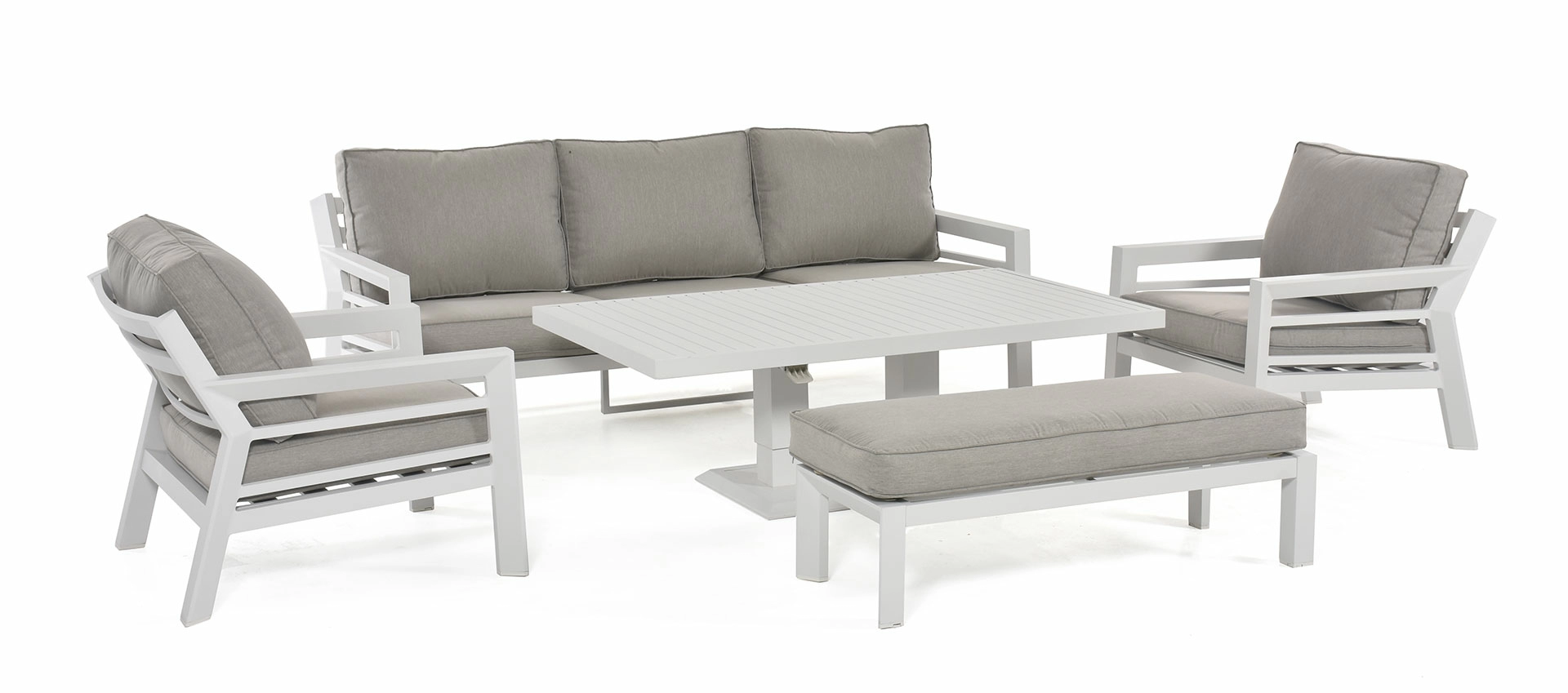
Are there eco-friendly or sustainable options for aluminum table production?
Yes, there are eco-friendly and sustainable options for aluminum table production. Here is a detailed explanation:
1. Recycled Aluminum: One of the most sustainable options for aluminum table production is using recycled aluminum. Recycled aluminum is obtained from post-consumer or post-industrial sources and can be melted down and reprocessed to create new aluminum products, including tables. Using recycled aluminum reduces the need for extracting and refining raw materials, conserves energy, and helps minimize waste. Additionally, recycled aluminum maintains the same quality and properties as virgin aluminum, making it a viable and environmentally friendly option for table production.
2. Energy-Efficient Manufacturing: Another aspect of eco-friendly aluminum table production is employing energy-efficient manufacturing processes. Aluminum manufacturers can implement energy-saving technologies, such as using renewable energy sources or optimizing production lines to reduce energy consumption. By minimizing energy use during the manufacturing process, the carbon footprint associated with aluminum table production can be significantly reduced, contributing to overall sustainability efforts.
3. Low Emissions: Sustainable aluminum table production also involves minimizing greenhouse gas emissions. Aluminum manufacturers can adopt practices that reduce or eliminate the release of harmful emissions into the atmosphere. This can be achieved through the use of advanced filtration systems, the proper treatment of waste gases, and the implementation of emission control technologies. By focusing on reducing emissions, the environmental impact of aluminum table production can be mitigated.
4. Water Conservation: Conserving water is another important aspect of eco-friendly aluminum table production. Manufacturers can implement water recycling and reuse systems, as well as employ water-efficient processes to minimize water consumption during production. Additionally, responsible wastewater management practices can be implemented to ensure that any water discharged from the manufacturing process is properly treated to minimize environmental impact.
5. Life Cycle Assessment: Conducting a life cycle assessment (LCA) is a valuable tool for evaluating the environmental impact of aluminum table production. An LCA considers the entire life cycle of a product, from raw material extraction to manufacturing, use, and end-of-life disposal or recycling. By analyzing the various stages of production and identifying areas for improvement, manufacturers can make informed decisions to minimize the environmental footprint of aluminum tables throughout their life cycle.
6. Certifications and Standards: Various certifications and standards exist to recognize and promote sustainable practices in aluminum production. For example, the Aluminum Stewardship Initiative (ASI) provides a certification program that ensures responsible production, sourcing, and stewardship of aluminum. By choosing aluminum tables from manufacturers with recognized certifications or adherence to sustainable standards, consumers can support environmentally conscious production practices.
7. End-of-Life Recycling: Considering the end-of-life phase is crucial for sustainable aluminum table production. Aluminum is highly recyclable, and at the end of their life cycle, aluminum tables can be recycled to produce new aluminum products. Recycling aluminum requires significantly less energy compared to primary production, resulting in reduced energy consumption and greenhouse gas emissions. Encouraging proper recycling and creating infrastructure to facilitate the recycling of aluminum tables promotes a closed-loop system and minimizes waste.
By incorporating these eco-friendly and sustainable practices, aluminum table production can align with environmental goals and contribute to a more sustainable future. Consumers can support these efforts by choosing aluminum tables that are produced using recycled aluminum, manufactured with energy-efficient processes, and certified by recognized sustainability standards.
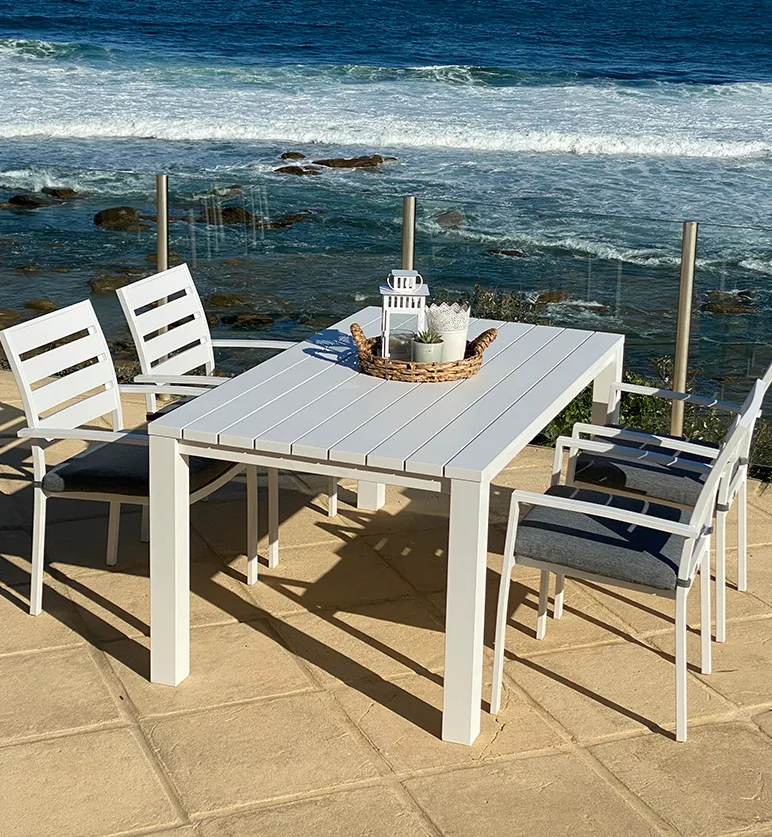
Are there any innovative or space-saving designs available for aluminum tables?
Yes, there are innovative and space-saving designs available for aluminum tables. Here is a detailed explanation:
1. Folding Tables: Folding aluminum tables are a popular choice for those looking to save space. These tables feature collapsible legs or a hinged top that allows them to be easily folded and stored when not in use. Folding tables are compact and can be conveniently stored in small spaces such as closets, garages, or under beds. They are especially useful for outdoor gatherings, picnics, or camping trips where portability and space efficiency are important.
2. Expandable or Extendable Tables: Some aluminum tables come with innovative mechanisms that allow them to expand or extend their surface area. These tables typically have additional leaves or sections that can be inserted or unfolded to increase the table’s size. By incorporating these expandable features, the table can accommodate more people or provide a larger surface area when needed. When not in use, the additional leaves or sections can be removed or folded back, saving space.
3. Nesting Tables: Nesting tables are a clever space-saving solution that consists of multiple tables of different sizes that can be neatly stacked together. Aluminum nesting tables typically feature a set of two or more tables that can be arranged in various configurations. When not in use, the smaller tables can be nested under the larger ones, occupying minimal space. These tables offer versatility, allowing you to use them individually or as a set, depending on your needs.
4. Convertible Tables: Convertible aluminum tables are designed to serve multiple purposes, maximizing functionality while saving space. These tables can be transformed or adjusted to different configurations or forms to accommodate various activities. For example, some convertible tables can convert from a coffee table height to a dining table height, or from a regular table to a bar table. These versatile designs allow you to optimize space while adapting the table to different functions.
5. Built-in Storage: Some innovative aluminum table designs incorporate built-in storage compartments or shelves. These tables provide a dual-purpose solution by offering a functional tabletop surface and additional storage space. The storage compartments can be used to store items such as outdoor accessories, tableware, or even cushions. By integrating storage into the table design, you can reduce clutter and keep your outdoor space organized.
6. Modular Tables: Modular aluminum tables consist of individual components or modules that can be combined or rearranged to create different table configurations. These tables often feature interchangeable parts, allowing you to customize the table size, shape, or layout according to your specific needs. Modular tables are flexible and adaptable, making them suitable for various outdoor spaces and accommodating different seating arrangements.
7. Space-Saving Designs: In addition to specific features, many aluminum table designs focus on space efficiency as a whole. Tables with sleek and slim profiles, minimalist designs, or cleverly integrated features can help save space in outdoor areas. These designs prioritize functionality while reducing the overall footprint of the table, making them suitable for smaller balconies, patios, or decks.
When searching for innovative or space-saving aluminum tables, consider exploring different furniture brands, designers, or retailers that specialize in smart and compact designs. Read product descriptions, customer reviews, and examine images or diagrams to understand the specific features and space-saving capabilities of the tables.
By opting for these innovative and space-saving designs, you can enjoy the functionality and convenience of aluminum tables while maximizing the use of your outdoor space.
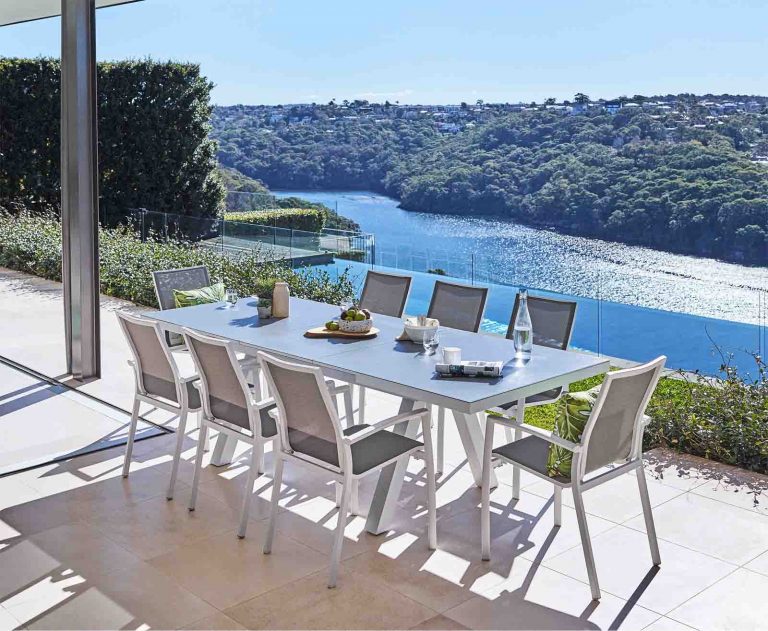
How does the durability of aluminum tables compare to other materials?
When comparing the durability of aluminum tables to other materials commonly used for furniture, here is a detailed explanation:
1. Wood: Aluminum tables are generally more durable than tables made of wood. While wood can be sturdy and long-lasting, it is susceptible to issues such as warping, cracking, and rotting when exposed to moisture or fluctuating outdoor conditions. In contrast, aluminum is resistant to these problems and can withstand outdoor elements without deteriorating. Additionally, aluminum is less prone to scratches and stains compared to wood, making it a more durable choice in terms of everyday wear and tear.
2. Wrought Iron: Wrought iron tables are known for their strength and durability. They can withstand heavy use and resist damage from impacts or pressure. However, wrought iron is susceptible to rust and corrosion over time, especially when exposed to moisture or humid environments. In comparison, aluminum is highly resistant to rust and corrosion, making it a more durable material for outdoor tables. Aluminum’s durability also extends to its ability to maintain its structural integrity under various weather conditions without warping or bending.
3. Plastic: Aluminum tables are generally more durable than plastic tables. Plastic tables can be lightweight and affordable, but they are prone to cracking, fading, and discoloration when exposed to prolonged sunlight or extreme temperatures. Plastic can also become brittle over time, leading to reduced durability. On the other hand, aluminum is more resistant to fading, discoloration, and temperature variations, making it a more durable choice for outdoor use.
4. Glass: Aluminum tables tend to be more durable than glass tables. Glass tables can be elegant and visually appealing, but they are more susceptible to breakage and scratches. Glass is also sensitive to temperature changes, and extreme temperature variations can cause it to crack or shatter. In comparison, aluminum tables are less fragile and can withstand impacts better. Aluminum’s durability makes it a safer and more practical choice, especially in high-traffic areas or households with children or pets.
5. Composite Materials: Composite materials, such as fiber-reinforced polymer (FRP) or polywood, offer good durability but may not match the longevity of aluminum tables. While composite materials are designed to be weather-resistant and low-maintenance, they can still be susceptible to fading, warping, or cracking over time. Aluminum tables, with their resistance to rust, corrosion, and fading, can provide a higher level of durability in outdoor settings.
It’s important to note that the durability of any table can also depend on factors such as the quality of materials used, manufacturing techniques, and proper maintenance. However, overall, aluminum tables tend to offer superior durability compared to wood, wrought iron, plastic, glass, and some composite materials, making them a reliable choice for both indoor and outdoor use.
editor by CX 2024-05-07